Plant for Your Grandkids: How to Design an Ozark Landscape That Only Gets Better With Age
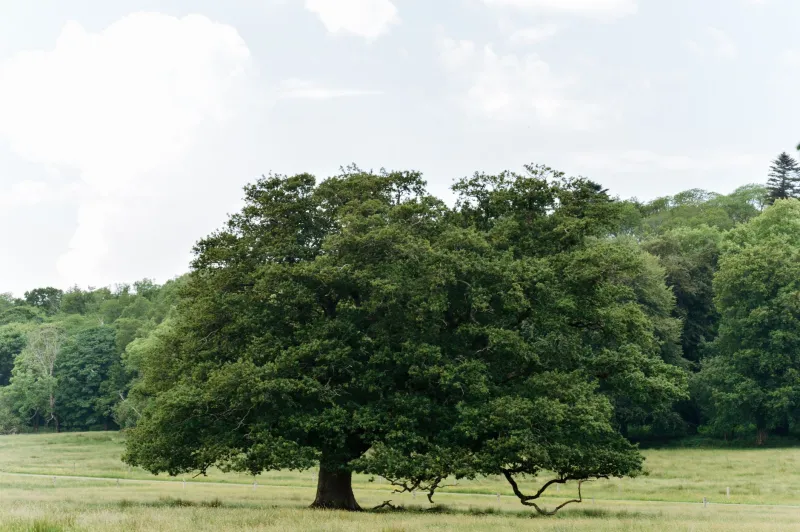
There's a particular kind of satisfaction that comes from standing under a towering bur oak you planted as a sapling twenty years ago. It's not just pride — it's the quiet recognition that something you put in the ground is now doing its own thing, sheltering wildlife, cooling the air, and adding serious visual weight to a piece of land you love. That's the promise of long-horizon landscape design, and in the Ozarks, the terrain, the soil, and the native plant palette make it entirely achievable.
Most people think about landscaping in terms of what it looks like right now. But the landowners who get the most out of their Ozark properties — financially and personally — are the ones who think about what the land will look like in ten, twenty, even fifty years. A softscape succession plan is less about instant curb appeal and more about building a living system that compounds over time, like a savings account that pays dividends in shade, habitat, and property value.
What "Succession" Actually Means in a Landscape Context
In ecology, succession describes the process by which plant communities naturally change over time — bare ground gives way to grasses, grasses to shrubs, shrubs to understory trees, and eventually to a mature forest canopy. It's not random. It follows a predictable pattern, and smart landscape designers work with that pattern rather than against it.
On an Ozark property, you can essentially compress and guide that process. Instead of waiting decades for nature to sort things out, you select plants at different stages of the succession ladder and arrange them so each layer supports the next. The result is a landscape that starts functional and just keeps improving — filling in gaps, creating habitat complexity, and reducing the need for human intervention year after year.
The Ozarks are particularly well-suited to this approach. The region's mix of rocky uplands, creek bottoms, and cedar glades supports an unusually diverse native plant community, which means you have a deep bench to draw from when you're designing for the long term.
Starting With the Canopy: Trees Are the Anchor
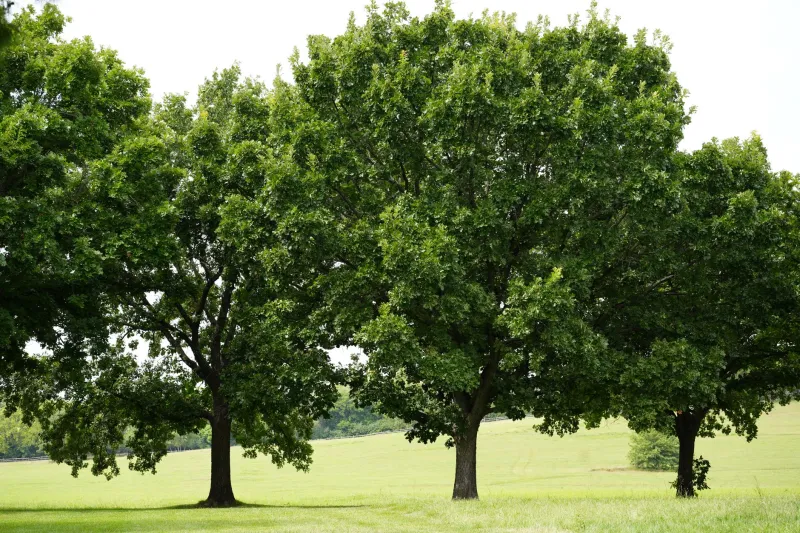
If you're thinking in generations, you start with trees. In the Ozarks, that often means native oaks — chinkapin oak, post oak, and Shumard oak are all excellent choices that handle the region's variable moisture and rocky soils without complaint. Bur oak is the gold standard for longevity and wildlife value, and it develops a commanding presence over time that genuinely transforms a property.
Black walnut is another Ozark classic worth considering if you have the space. It's a slow build, but the mature canopy value — both aesthetic and literal timber value — is hard to beat. Just be mindful of its allelopathic tendencies; it suppresses certain plants nearby, so placement matters.
For faster early canopy without sacrificing long-term integrity, eastern redbud and serviceberry make excellent transitional trees. They establish quickly, provide early spring bloom, and create dappled shade that helps the slower-growing oaks get established beneath them. Think of them as the opening act that sets the stage for the headliners.
The Middle Layer: Shrubs That Do the Heavy Lifting
Once your canopy trees are in, the shrub layer is where a lot of the ecological action happens. Native shrubs stabilize soil, provide food and cover for birds and pollinators, and help define outdoor spaces without requiring the maintenance that a clipped hedge demands.
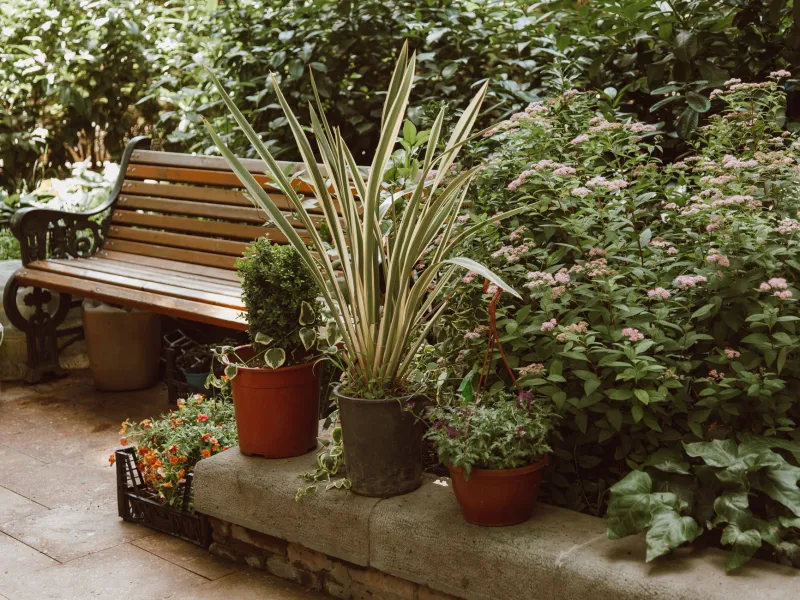
In the Ozarks, wild hydrangea is a standout — it thrives in the rocky, partially shaded spots that are hard to plant otherwise, and it blooms reliably without supplemental irrigation once established. American beautyberry is another workhorse, with striking purple berries in fall that birds go absolutely crazy for. Spicebush does double duty as both a host plant for spicebush swallowtail butterflies and a deer-resistant shrub that handles wet bottomland soils well.
The key with shrubs in a succession-based design is to think about how they'll interact with your canopy trees as those trees mature. Some shrubs want more sun than a dense oak canopy will eventually provide. Others, like wild hydrangea and pawpaw, actually prefer that eventual shade. Map out your light conditions fifteen years from now, not just today, and plant accordingly.
Ground-Level Persistence: Perennials That Hold the System Together
The ground layer is the glue. Native perennials and grasses fill in the spaces between shrubs and trees, suppress invasive weeds, and create the kind of layered, textured planting that looks intentional rather than overgrown.
Ozark natives like wild ginger, woodland phlox, and native sedges are exceptional ground-layer plants for shadier spots. For sunnier areas, prairie dropseed and little bluestem grass provide year-round structure, with warm amber tones in fall and winter that look genuinely stunning against bare limestone outcroppings. Black-eyed Susan, purple coneflower, and wild bergamot round out the pollinator picture and reseed freely over time, meaning the planting actually expands and self-repairs without much help from you.
This is the part of succession design that most people underestimate. A ground layer that's diverse and well-matched to your site conditions will actively resist weed pressure as it fills in. You'll spend the first two or three years doing some maintenance, but by year five, you're mostly watching rather than working.
Designing for Predictable Growth — and Real Estate Value
Here's where the succession plan pays off in ways that show up on a property appraisal. Landscapes that follow a clear, intentional growth arc are easier for buyers and appraisers to understand and value. A mature, layered native landscape isn't just pretty — it signals stewardship. It tells the next owner that this land has been cared for thoughtfully, that the trees were planted with purpose, that the shrubs weren't just thrown in for cheap curb appeal.
In the Ozark market, where buyers are increasingly looking for properties that offer a genuine connection to the natural landscape, a well-designed succession planting can be a meaningful differentiator. It's not just about aesthetics; it's about demonstrating that the property has been built to last.
And practically speaking, a self-sustaining landscape costs less to maintain over time. Lower maintenance overhead is a real selling point, especially for buyers who want the beauty of a richly planted property without the ongoing labor and expense.
The Mindset Shift That Makes It All Work
The hardest part of designing for succession isn't the plant selection or the layout — it's the patience. We're conditioned to want results now, and a landscape that's designed for twenty years from now can look a little sparse in year two.
The trick is to build in some early-return plants alongside the long-horizon anchors. Annual wildflower seed mixes, fast-establishing native grasses, and quick-blooming perennials fill the visual gaps while your trees and shrubs get their roots down. You get something to look at right away, and the longer-term plants have the space and resources they need to establish without competition.
Think of it less like decorating and more like farming. You're investing in a system, not a snapshot. The Ozarks reward that kind of thinking — the land is generous to the people who work with it instead of against it. Plant something today that your grandkids will sit under, and you've done something genuinely worth doing.