Build It Loose: Why Adaptable Softscape Design Outsmarts Rigid Outdoor Plans on Ozark Land
There's a certain appeal to the idea of a grand outdoor master plan — blueprints rolled out on a table, every stone path and pergola plotted to the inch. It feels decisive. Organized. Like you've got the whole thing figured out before a single plant goes in the ground.
But here in the Ozarks, that kind of rigidity has a way of working against you.
The terrain shifts. Your family's needs evolve. A dry summer changes what thrives. A new grandchild means the fire pit area that worked perfectly for two adults suddenly needs to become something else entirely. Outdoor spaces that are built to be permanent — expensive poured concrete, fixed retaining walls, elaborate hardscape installations locked into a single vision — can become liabilities the moment life pivots.
That's where softscape-first, adaptable design quietly wins.
What "Flexible Design" Actually Means
Flexible outdoor design isn't about being indecisive or cutting corners. It's about building a framework that absorbs change gracefully rather than resisting it.
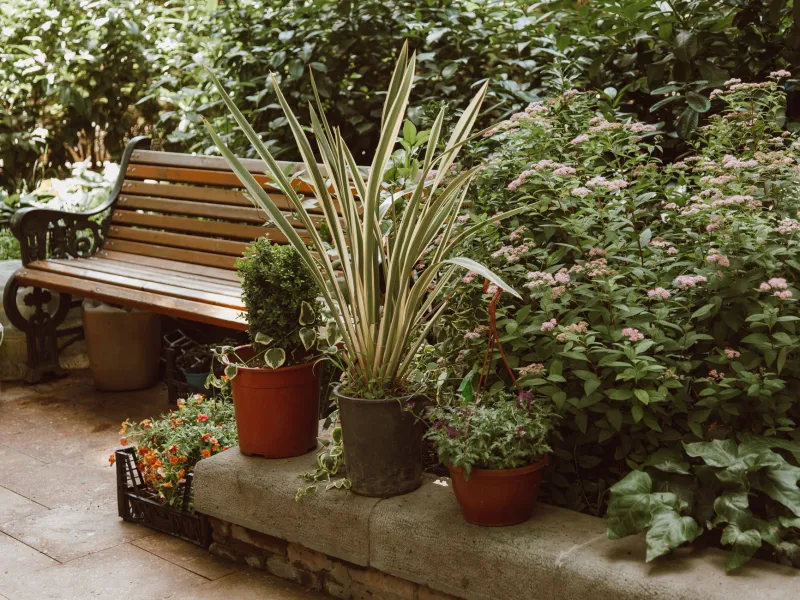
In practice, this means leaning on living elements — shrubs, groundcovers, ornamental grasses, native perennials — as the structural backbone of your outdoor space rather than relying on hardscape to do that job. It means choosing modular materials over monolithic ones. It means phasing your implementation so that what you install today doesn't block what you might want tomorrow.
In the Ozarks specifically, this approach lines up beautifully with the landscape itself. The region's rocky soils, variable topography, and dramatic seasonal swings already demand a certain humility from landscape designers. The land has its own logic. Working with that logic — rather than trying to overpower it with a fixed blueprint — tends to produce outdoor spaces that feel more natural, cost less to maintain, and hold their value better over time.
The Case Against the Concrete-First Approach
Let's be direct: heavy hardscape isn't inherently bad. A well-placed limestone retaining wall or a thoughtfully designed flagstone patio can be a genuine asset on an Ozark property. The problem isn't the materials — it's the sequence and the scale.
When property owners front-load a project with expensive, permanent installations before they've actually lived on the land through a few seasons, they often end up locking in decisions they later regret. That poured concrete patio facing west might be unusable by 3 p.m. in July. The formal garden layout might look great on paper but feel completely out of place once the native cedar and oak canopy fills in around it.
Ripping out concrete is expensive. Rerouting a drainage system that was poured into a fixed design is a headache. Trying to redesign a space around a permanent structure you can no longer change? That's a renovation project that often costs more than the original installation.
Softscape elements, by contrast, are forgiving. Perennials can be divided and relocated. Shrubs can be transplanted when young. Gravel pathways can be redirected. Raised planting beds can be reconfigured. The living components of your landscape are, almost by definition, adaptable — they grow, they respond, they can be managed.
Phased Implementation: The Smartest Budget Move You're Not Making
One of the most underappreciated advantages of softscape-first design is how naturally it lends itself to phased development. Rather than trying to fund and build everything at once, you can establish the bones of your landscape — soil health, native plantings, basic pathways — and let the space mature before committing to more permanent and expensive elements.
This approach has a real financial logic to it. Native Ozark plantings like wild bergamot, little bluestem, spiderwort, and redbud establish quickly and fill in meaningfully within two to three growing seasons. By the time you're ready to add a more substantial outdoor structure — a covered entertaining area, a stone kitchen, a formal water feature — you've already got a mature, established landscape surrounding it. That context makes everything look more intentional and more valuable.
Buyers notice this. Real estate professionals across the Ozarks region consistently report that properties with mature, layered plantings photograph better, show better, and generate stronger emotional responses during walkthroughs than properties that lead with expensive hardscape surrounded by thin, recently-installed landscaping. A five-year-old native planting scheme communicates stability and care in a way that new concrete simply can't.
Modular Hardscape: Having It Both Ways
If you want the best of both worlds, modular hardscape is worth a serious look. Dry-laid flagstone, permeable gravel, decomposed granite pathways, and interlocking pavers can all be reconfigured without heavy equipment or major expense. They give you the visual structure and defined spaces that hardscape provides, while preserving the flexibility to adjust as your vision evolves.
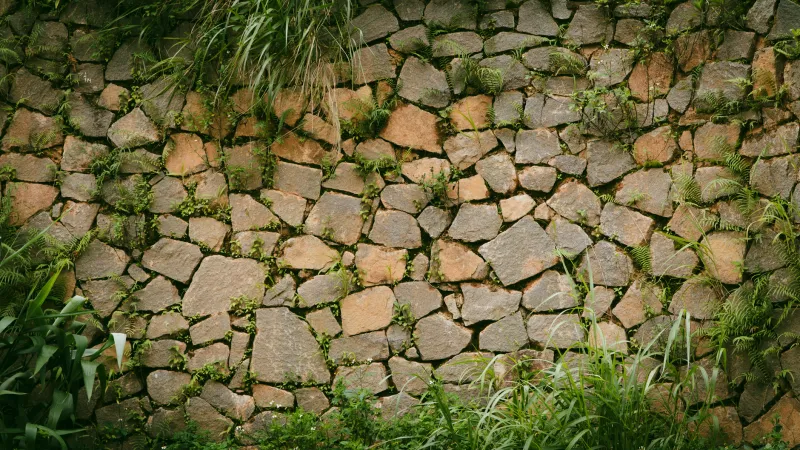
On sloped Ozark terrain especially, dry-laid stone work with proper drainage consideration can outperform poured alternatives from both a longevity and a flexibility standpoint. The freeze-thaw cycles that the region sees every winter are genuinely hard on rigid concrete. Dry-laid installations flex naturally with ground movement and can be repaired piecemeal rather than replaced wholesale.
Pair modular hardscape with thoughtful softscape layering — a mix of fast-establishing natives for quick impact and slower-growing specimen plants for long-term structure — and you've got an outdoor space that looks intentional from day one and keeps improving for years.
What This Means at Resale Time
Here's the investment angle that tends to land with Ozark property owners: adaptable landscapes tend to appeal to a broader pool of buyers than highly specific, locked-in designs.
A formal European garden with elaborate topiary and rigid symmetry is beautiful, but it signals high maintenance and low flexibility to a lot of buyers. A thoughtfully layered native landscape with defined outdoor living zones, mature plantings, and modular elements reads as something different — it says the space works, it's cared for, and there's room to make it your own.
That combination of established value and perceived flexibility is genuinely compelling in a real estate context. You're not just selling a property. You're selling a canvas that's already been primed.
Start with the Land, Not the Plan
The most common mistake Ozark property owners make when approaching outdoor development is starting with a finished vision rather than starting with the land itself. Walk the property through different seasons before you commit to a design. Notice where water moves. Observe where the afternoon shade falls. Pay attention to what's already trying to grow.
That information is worth more than any master plan drawn up before you've really listened to what the land is telling you.
Softscape-first, adaptable design isn't a compromise. It's a smarter strategy — one that respects the Ozark landscape, protects your investment, and gives you an outdoor space that grows into something genuinely exceptional over time rather than locking you into someone else's idea of what your land should be.