Beyond the Builder Grade: How Ozark Homeowners Are Turning Tract Homes Into One-of-a-Kind Outdoor Retreats
Photo: suburban backyard transformation terraced garden native plants Ozarks Arkansas, via static1.topspeedimages.com
Drive through any newer subdivision tucked into the hills around Branson, Rogers, or Fayetteville, and you'll notice a familiar pattern: matching rooflines, similar siding colors, and a whole lot of freshly seeded grass that's doing its best to look like a lawn. Builder-grade landscaping — a couple of shrubs by the front door, maybe a young oak tree dropped in the backyard — is the industry standard for a reason. It's fast, it's cheap, and it checks a box.
But more and more Ozark buyers are deciding that's not good enough.
A quiet but meaningful trend is reshaping residential neighborhoods across the region. Homeowners who purchased standard-issue new construction are circling back — sometimes within months of closing — and investing seriously in outdoor transformations. The goal isn't just curb appeal. It's identity.
The Problem With the Blank Slate
New construction in the Ozarks comes with a genuine advantage: you're starting fresh. No overgrown hedges to rip out, no crumbling patio to demo. But that blank slate can also feel a little hollow, especially when your neighbor's yard looks almost exactly like yours.
"We had buyers tell us they felt like they were living in a catalog," says one landscape designer based out of Bentonville who asked to be identified only by her first name, Carla. "The house was beautiful inside, but outside it could've been anywhere in America. There was nothing that said 'Ozarks.' Nothing that said them."
That disconnect — between a well-appointed interior and a generic exterior — is what's driving the custom outdoor living boom in Ozark subdivisions. And the investment numbers are starting to reflect it.
What the Transformation Actually Looks Like
Take a property in a mid-size development outside of Springdale. The original lot: a flat quarter acre, builder sod, two ornamental grasses flanking the garage door. The homeowners, a couple who relocated from Kansas City, bought the home in late 2022 and immediately felt like something was missing.
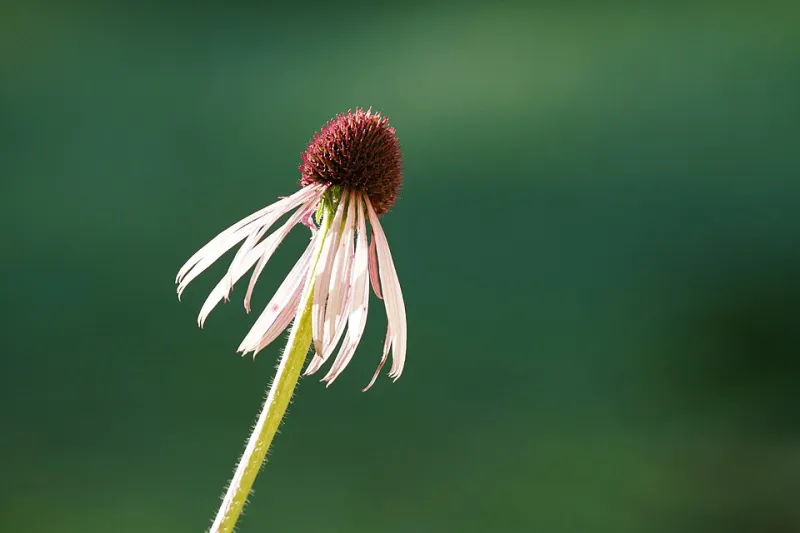
Within a year, they'd worked with a local landscape designer to install a layered native planting bed along the front foundation using a mix of Arkansas bluestar, coneflowers, and native grasses that shift color through the seasons. Out back, a modest slope that the builder had essentially ignored became the focal point of the yard — a terraced garden with dry-stacked stone retaining walls, a flagstone patio, and a custom pergola draped in native crossvine.
The cost? Around $28,000 total. The estimated value added to their property, according to their real estate agent? Somewhere between $35,000 and $42,000 — and that's before factoring in the fact that their home now stands out in a neighborhood where most listings look nearly identical.
"When we listed a comparable property two doors down, it sat for 47 days," their agent noted. "Their house had an accepted offer in 11."
Why Softscaping Is the Secret Weapon
Hardscape gets a lot of attention — and for good reason. A well-built deck or stone fireplace is immediately impressive. But landscape designers working in the Ozarks are increasingly pointing to softscaping as the real differentiator.
Softscaping — the living elements of a landscape, including plants, trees, ground covers, and garden beds — does something hardscape simply can't: it grows. A thoughtfully planted yard in year one becomes genuinely stunning by year five. Native species that are well-suited to Ozark soil and climate require less maintenance over time, and they establish a sense of place that no paver patio can replicate on its own.
Carla, who has seen her custom residential work double in the past three years, puts it plainly: "Hardscape says 'we have money.' Softscape says 'we live here.' Buyers feel that difference."
Some of the most popular upgrades she's seeing in subdivision settings include:
- Naturalized lawn alternatives — replacing sections of high-maintenance turf with native meadow plantings or creeping thyme that reduce mowing and water use
- Privacy hedges and living screens — fast-growing native shrubs like elderberry and serviceberry that create separation without a fence
- Pollinator gardens — structured but wild-feeling beds that attract butterflies and birds and give yards an organic, lived-in character
- Canopy layering — adding understory trees to builder lots that typically only have one or two saplings, creating the sense of an established landscape years ahead of schedule
The Resale Conversation Is Changing
Real estate professionals in the Ozarks are catching on. Where outdoor upgrades were once seen as a nice-to-have, agents are increasingly recommending specific landscape investments to sellers looking to move quickly or command a premium.
"Five years ago, I'd tell a seller to pressure wash the driveway and call it a day," admits a residential agent who works primarily in the Bella Vista and Bentonville corridor. "Now I'm literally handing clients the number of a landscape designer before we list. The outdoor space is part of the pitch."
The math makes sense in a market where inventory remains competitive. A home that offers a genuine outdoor experience — somewhere that feels like a retreat rather than just a yard — appeals to a wider pool of buyers, particularly those relocating from urban areas who are specifically seeking that Ozark lifestyle.
Making It Your Own Without Overdoing It
Not every homeowner needs to spend $30,000 to make a meaningful impact. Designers working in the subdivision market often start clients with a phased approach: tackle the front foundation planting first, add a defined back patio space second, and let the naturalized planting areas develop over time.
The key, most agree, is intentionality. Random plants dropped in random spots don't create the effect buyers are chasing. A cohesive design that works with the natural topography of the lot — even if that topography is subtle — and incorporates plants native to the Ozark region will always outperform a collection of whatever was on sale at the garden center.
In a neighborhood full of houses that look like they could be anywhere, a yard that feels unmistakably like the Ozarks isn't just a lifestyle upgrade. It's a competitive advantage.