Plant It Once, Enjoy It Forever: The Ozark Native's Guide to Effortless Landscape Beauty
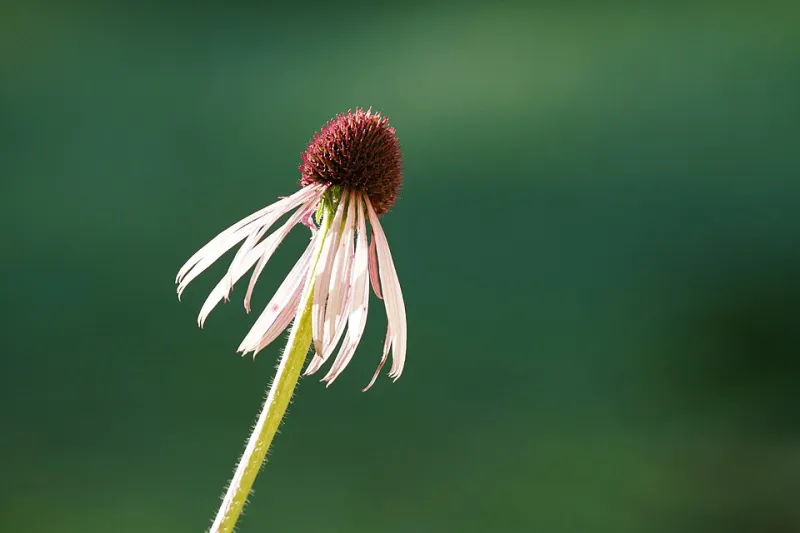
Photo: U.S. Fish and Wildlife Service - Midwest Region, Public domain, via Wikimedia Commons
There's a quiet kind of genius in the way the Ozark landscape takes care of itself. Drive down any rural highway in southern Missouri or northern Arkansas in late summer, and you'll pass roadsides exploding with purple coneflowers, golden rudbeckia, and the feathery seed heads of native grasses — all of it thriving without a single drop from a garden hose. That's not an accident. These plants evolved here. They know this soil, these summers, and these droughts better than any cultivar bred in a greenhouse ever could.
For property owners across the Ozarks, that's a genuinely exciting opportunity. Whether you're developing a new build in the Missouri Ozarks, landscaping a weekend retreat near the Buffalo National River, or simply trying to cut down on the time and money you're pouring into your yard, native plants offer a path to stunning outdoor spaces with a fraction of the ongoing effort.
Let's dig in.
Why Native Plants Make Financial and Ecological Sense
The case for native landscaping goes beyond the feel-good environmental angle — though that's real too. Native Ozark plants are deeply adapted to the region's rocky, often shallow soils and its unpredictable rainfall patterns. Once established, most of them need zero supplemental watering, no synthetic fertilizer, and minimal pest management. You're essentially outsourcing your landscape maintenance to a few hundred million years of evolution.
For property owners thinking about resale value, a thoughtfully planted native landscape is increasingly seen as a premium feature. Buyers are drawn to low-maintenance outdoor spaces, especially in second-home and recreational property markets. A yard that looks beautiful in every season without demanding constant attention? That's a selling point.
The Ozark All-Stars: Plants Worth Building Around
Wild Blue Indigo (Baptisia australis)
If you're only going to add one native perennial to your Ozark landscape, make it wild blue indigo. This Missouri and Arkansas native puts on a spectacular show of deep violet-blue flower spikes in late spring, then transitions into attractive inflated seed pods that rattle in the fall breeze and add winter structure to your beds. It's drought-tolerant once established, deer-resistant, and can live for decades in the right spot. Give it full sun and well-drained soil, and it will reward you for years.
Purple Coneflower (Echinacea purpurea)
Few plants are more synonymous with Ozark meadows than purple coneflower. It blooms from midsummer through early fall, bridges the gap when spring perennials have faded, and absolutely lights up a garden with its rosy-pink to deep purple daisy-like flowers. More importantly, it's a wildlife magnet. Goldfinches will work the seed heads well into winter, and pollinators of every description visit the blooms all season long. Plant it in drifts of five or more for the best visual impact.
Arkansas Bluestar (Amsonia hubrichtii)
This one is a hidden gem that deserves far more attention. Arkansas bluestar produces delicate, star-shaped pale blue flowers in spring, then settles into a tidy mound of fine, feathery foliage that turns a spectacular golden-yellow in fall — one of the best fall color performances of any perennial, native or otherwise. It's virtually pest-free, handles both sun and partial shade, and looks fantastic along pathways or at the edge of a naturalized planting bed.
Switchgrass (Panicum virgatum)
Native grasses are the workhorses of the low-maintenance Ozark landscape, and switchgrass is the best of the bunch for most applications. It grows in upright clumps that catch the light beautifully in late afternoon, produces airy seed heads that feed birds through winter, and turns warm shades of gold and burgundy in the fall. Varieties like 'Shenandoah' and 'Dallas Blues' offer especially strong color. Use it as a privacy screen, a backdrop for flowering perennials, or a standalone specimen near a patio.
Spicebush (Lindera benzoin)
For shaded areas under mature oaks or along a creek edge — and there's no shortage of those in Ozark country — spicebush is your go-to native shrub. It's one of the first plants to bloom in early spring, offering tiny yellow flowers before the leaves emerge. In fall, it produces brilliant red berries that spicebush swallowtail butterflies and migratory songbirds absolutely depend on. The aromatic leaves are a bonus. It's a plant that earns its place on both aesthetic and ecological grounds.
Designing for Seasonal Color Flow
One of the smartest things you can do with native plantings is think in layers and sequences. The goal is to have something interesting happening from early spring through late fall — and ideally into winter with seed heads and structure.
Early Spring: Wild blue indigo, spicebush, and native redbuds (Cercis canadensis) kick things off with color before most non-native plants have even woken up.
Late Spring to Early Summer: Arkansas bluestar, native columbine (Aquilegia canadensis), and wild geranium (Geranium maculatum) carry the show through the warming weeks.
Midsummer: Purple coneflower, black-eyed Susan (Rudbeckia hirta), and bergamot (Monarda fistulosa) take over, bringing height, color, and a constant buzz of pollinators.
Fall: Switchgrass, aromatic aster (Symphyotrichum oblongifolium), and the golden foliage of Arkansas bluestar deliver a finale that rivals any traditional fall planting.
Winter: Seed heads, dried grass plumes, and the architectural structure of native shrubs keep the landscape from going completely blank.
Practical Tips for Getting Started
A few things to keep in mind as you get going:
- Start small and expand. You don't need to redo your entire yard at once. Pick one bed, nail the establishment phase, and build from there.
- Watering during year one is non-negotiable. "Low-maintenance" doesn't mean "zero maintenance at the start." Give new plants consistent moisture through their first growing season, and most will be largely self-sufficient by year two.
- Embrace the natural look. Native plantings don't always look like traditional manicured gardens, and that's the point. A loose, layered, slightly wild aesthetic is exactly what you're going for — and it reads as intentional when it's done well.
- Source locally. Whenever possible, buy from regional nurseries that specialize in Ozark natives. Plants grown from local seed populations tend to be better adapted to your specific conditions.
The Bottom Line
Native landscaping isn't a compromise. It's not the "budget option" or the "lazy approach." Done thoughtfully, it's one of the most beautiful and regionally authentic things you can do with an Ozark property. These plants belong here. They've been shaping this landscape for thousands of years, and they'll keep doing it long after any high-maintenance exotic has come and gone.
The smartest move you can make as a property owner in this region is to work with the land, not against it. Native plants are how you do that.