Rock, Water, and Elevation: How Ozark Terrain Becomes the Ultimate Outdoor Living Canvas
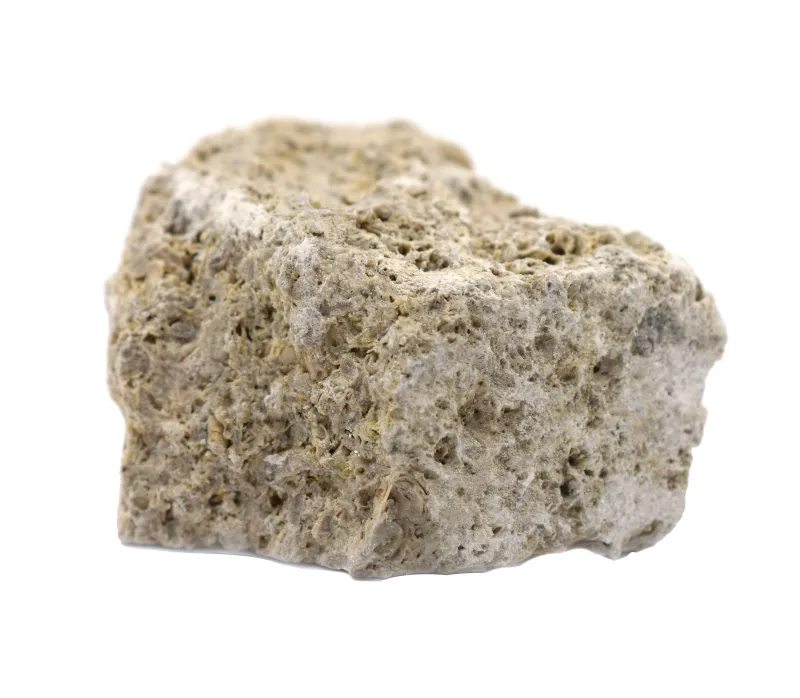
Photo: limestone bluff terrace patio Ozark hillside outdoor living space water feature, via cdn.shopify.com
Anybody who's tried to build a flat patio on an Ozark hillside knows the feeling. You've got beautiful land — dramatic, wooded, full of character — and a grade change that would make a mountain goat think twice. The conventional instinct is to fight it. Grade it out. Bring in fill. Force the land into something more manageable.
The designers, developers, and homeowners who build the most remarkable outdoor living spaces in the Ozarks have learned to do exactly the opposite.
"The terrain is the design," as one Springfield-area landscape architect put it. And once you embrace that idea, everything changes.
What Makes Ozark Land So Distinctive — and So Challenging
The Ozark Plateau is geologically unlike almost anywhere else in the American Midwest. Hundreds of millions of years of limestone and dolomite formation, carved by rivers and dissolved by slightly acidic rainwater, have produced a landscape defined by dramatic vertical relief, exposed bluff faces, natural springs, cave systems, and creek valleys that cut deep and unpredictably through the hills.
This is the heart of what's known as karst topography — a terrain shaped largely by the dissolution of soluble bedrock. It's why Missouri and Arkansas are home to more caves per square mile than almost any region in the world. It's why springs bubble up seemingly from nowhere. And it's why building on Ozark land requires a different mindset than building on the flat expanses of the surrounding plains.
For outdoor living design, though, all of that "challenge" is really just opportunity wearing a hard hat.
Terraced Patios: Working With Grade, Not Against It
One of the most elegant solutions to a sloping Ozark lot is the terraced patio system — a series of connected outdoor rooms that descend (or ascend) the hillside in steps, each level offering a different experience and vantage point.
Think about what this looks like in practice. The upper terrace, closest to the house, might function as a traditional entertainment patio — outdoor kitchen, dining area, comfortable seating. Drop down a level via a set of stone steps and you're in a more intimate fire pit space, slightly sheltered by the grade change above. Continue down to a lower terrace and you might find a hot tub or a plunge pool positioned to take full advantage of a long valley view that simply doesn't exist from ground level.
The key to making terraced designs work in the Ozarks is material selection. Locally quarried limestone and sandstone aren't just aesthetically appropriate — they're structurally suited to the environment. They drain well, hold up to freeze-thaw cycles, and visually blend with the exposed rock faces that define the regional landscape. Imported materials can look awkward against the raw honesty of an Ozark bluff. Native stone doesn't.
Natural Water Features: When the Creek Is Already There
Ozark properties with creek frontage or natural spring seeps hold a particular kind of magic, and increasingly, landscape architects are designing outdoor living spaces that make those water features the centerpiece rather than an afterthought.
On properties where a seasonal creek crosses the land, well-designed crossings — stone-set fords, timber footbridges, stepping stone paths — can turn a practical necessity into a genuine amenity. The sound of moving water is one of the most universally appealing features in any outdoor space, and in the Ozarks, you often don't need to install a pump to get it.
For properties with natural springs — and there are more of them than most people realize, particularly in the Arkansas Ozarks and the Missouri Ozarks south of the Missouri River — the design possibilities are extraordinary. A spring-fed swimming pond, a naturalistic reflecting pool, or a constructed wetland garden that channels spring flow through a series of planted basins can create an outdoor living experience that no manufactured water feature can replicate. The water is cold, clear, and constant. It's already there. The design job is simply to give it somewhere beautiful to go.
On drier hilltop properties, dry-stack limestone walls and boulder placements can suggest the visual language of a creek valley even without flowing water. Dry creek beds planted with moisture-loving natives create the impression of a seasonal stream and manage stormwater runoff at the same time — a solution that's both beautiful and genuinely functional.
Bluff Lines as Architectural Focal Points
Perhaps the most dramatic feature of any Ozark property is an exposed limestone bluff face. These vertical or near-vertical rock formations — some rising twenty or thirty feet above a creek or hollow — have a presence that no constructed element can match. The best outdoor living designs in bluff country don't compete with them. They frame them.
A deck cantilevered over a bluff edge, designed to feel like it's floating above the valley below, turns a geological feature into a luxury viewing platform. A fire pit placed at the base of a bluff face uses the rock as a natural windbreak and a dramatic backdrop. A climbing wall built into an existing bluff gives kids (and adventurous adults) a reason to engage with the land physically.
Some of the most innovative Ozark developments are incorporating bluff-side grottos — partially sheltered outdoor rooms tucked against the rock face, often incorporating the natural overhang as a roof. These spaces are naturally cooler in summer, protected from rain, and possess an atmosphere that's genuinely unlike anything you'd find in a conventional backyard. They feel ancient and contemporary at the same time.
Elevation Changes as Privacy Architecture
In the Ozarks, you rarely need a privacy fence. Grade change does the work for you.
A sunken patio — even just two or three feet below the surrounding grade — creates an intimate outdoor room that feels completely separated from its surroundings without any vertical barrier. Combine that with a low stone retaining wall planted with native grasses and shrubs, and you've got a private outdoor living space that's also visually connected to the broader landscape.
This is a principle that savvy Ozark developers are applying at scale. Hillside communities where homes are staggered across different elevation bands can achieve remarkable privacy between neighboring properties without fencing or dense planting — simply by working with the natural contours of the land.
What This Means for Property Value
Here's the bottom line for buyers and investors paying attention to the Ozark market: properties with dramatic topography, when developed thoughtfully, command a significant premium. A flat lot in the same area might be easier and cheaper to develop, but it will never deliver the views, the water features, or the layered outdoor living experience that a well-designed hillside or creek-valley property can offer.
The development cost is higher. The design process is more complex. But the result — a property that uses its terrain as its greatest selling point — is in a different category entirely.
The Ozarks have always been defined by their landscape. The most inspired outdoor living designs in the region simply make that landscape impossible to ignore.