Big Impact, Small Budget: Affordable Softscaping Moves for Your Ozark Acreage
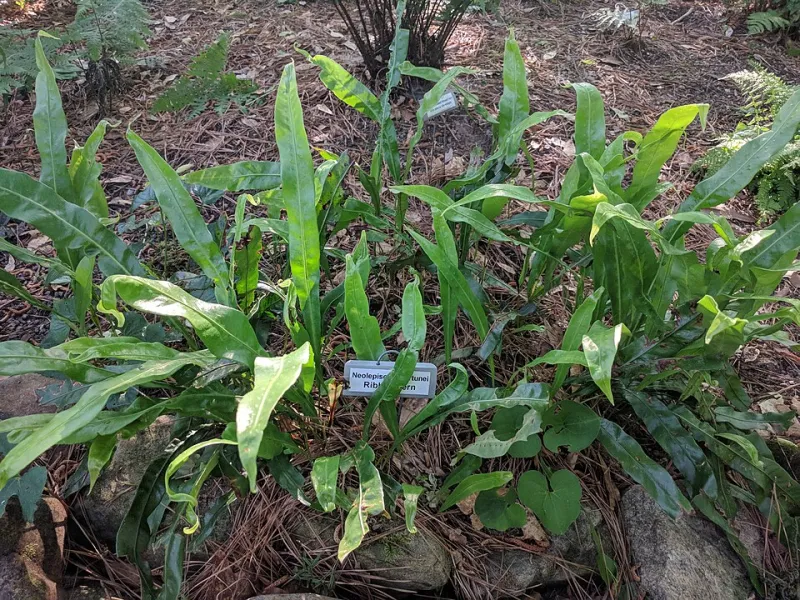
Photo: Clifflandis, CC0, via Wikimedia Commons
Let's be honest: landscaping budgets have a way of ballooning fast. You start with a simple idea — maybe a planted border along the driveway or a naturalized area around a pond — and suddenly someone's handing you a quote that makes your eyes water. In the Ozarks, where acreage properties are common and the land itself already has tremendous character, you often don't need to spend big to see big results. What you need is a strategy.
Softscaping — the living, plantable, mulch-able side of landscape design — is where budget-conscious Ozark landowners have a genuine advantage. Here's how to use it.
Start With What the Land Is Already Telling You
Before you spend a single dollar, spend a few hours walking your property and paying attention. Where does water naturally move after a rain? Where are native plants already volunteering? Which areas get full sun and which stay shaded? The Ozark landscape has its own logic, and working with it is almost always cheaper than working against it.
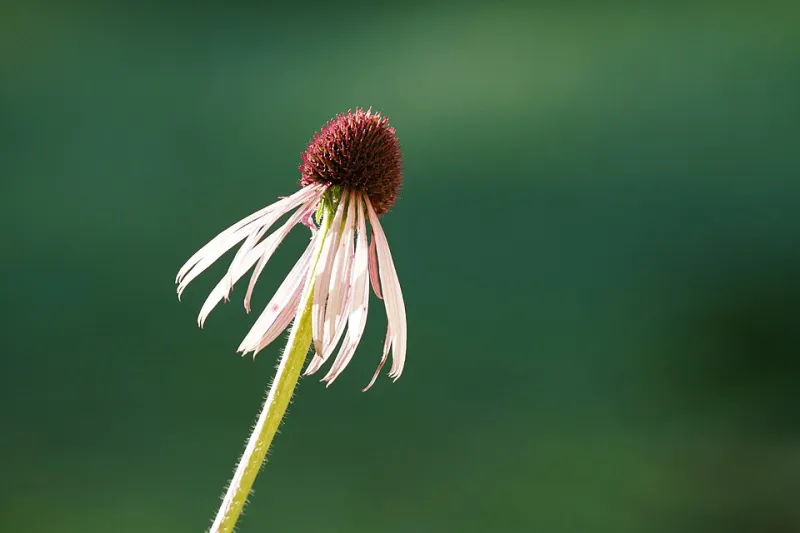
That low, damp area near the back of your property that's been a muddy nuisance? It might be the perfect spot for a rain garden planted with native sedges, buttonbush, and swamp rose — plants that thrive with wet feet and cost you almost nothing if you source them right. That rocky slope you've been ignoring? Native wildflowers like coneflower, black-eyed Susan, and wild bergamot will hold that soil and bloom reliably without irrigation or much fuss at all.
The topography of Ozark land is a feature, not a problem. Lean into elevation changes with layered plantings rather than trying to flatten or formalize them.
Source Native Plants Without Paying Retail
Here's where a lot of people leave money on the table: buying native Ozark plants at full nursery price when there are much more affordable options available.
Native plant sales. Missouri and Arkansas both have active native plant societies that hold annual sales, often in spring and fall. Prices are typically a fraction of what you'd pay at a garden center, and the plants are regionally appropriate by definition.
University extension programs. Your local cooperative extension office is an underused resource. Many run plant propagation programs or can connect you with local growers who sell direct.
Seed starting. For large-scale plantings — a meadow area, a wildflower slope, a naturalized buffer — buying seed is dramatically cheaper than buying transplants. Prairie Moon Nursery and Missouri Wildflowers Nursery both ship regionally appropriate seed mixes, and a pound of native wildflower seed can cover more ground than you'd expect.
Neighbor and community swaps. In rural Ozark communities, plant swaps are genuinely common. If you're connected to a local gardening group, a community Facebook page, or even just friendly neighbors, you can often get established divisions of native grasses, ferns, and perennials for free.
Mulch Strategically — It Does More Than You Think
Mulch might be the highest-return investment in any softscaping budget. A three-inch layer of quality mulch around planted areas does several things at once: it suppresses weeds (reducing your labor costs), retains soil moisture (reducing your irrigation needs), moderates soil temperature through freeze-thaw cycles, and improves the overall appearance of any planting bed dramatically.
In the Ozarks, wood chip mulch from local tree services is often available free or very cheap — many companies are happy to drop a load rather than haul it to a disposal site. Shredded hardwood mulch is another solid option. Avoid dyed mulches, which can look artificial against the natural Ozark palette and break down less usefully.
For larger acreage properties, consider chipped wood paths through naturalized areas. They're inexpensive, permeable, and look intentional without requiring the cost or labor of gravel or stone.
Prioritize the Edges
If you're working with a limited budget and want the biggest visual payoff, focus on edges first. The transition zones — where your lawn meets a tree line, where a gravel driveway meets open ground, where a fence line runs — are where landscape design makes the most dramatic difference.
A clean, planted edge signals intention. It tells anyone driving up that this property is cared for. You don't need to plant the whole acreage; you need to define the parts people see first and move through most often.
A simple border of native grasses and low-growing perennials along a driveway entrance costs relatively little but completely changes the feel of a property's arrival sequence. Native liriope, wild ginger as a ground cover under trees, or a mass planting of little bluestem along a fence line — these are low-cost moves that photograph well, establish quickly, and hold up to Ozark conditions without much fuss.
Soil Investment Pays Off Long-Term
If you're going to spend money on anything foundational, spend it on soil health. Ozark soils — particularly in areas that have been farmed, grazed, or otherwise disturbed — often need organic matter and sometimes pH adjustment before plantings will really take off.
A basic soil test (again, your county extension office is your friend here) tells you exactly what you're working with and prevents you from throwing money at plants that are going to struggle in unamended ground. Compost is your most versatile tool: it improves drainage in clay-heavy soils, improves water retention in thin rocky soils, and feeds soil biology that makes everything else work better.
Building soil health is slower than buying instant impact, but it's the investment that makes every plant you put in the ground perform better — and that's real ROI.
Think About Resale From Day One
If you're improving an Ozark property with an eye toward eventual sale, softscaping decisions matter for your bottom line. Buyers in this market respond strongly to properties that feel naturalized and well-integrated with the surrounding landscape — not over-manicured or generic.
Native plantings, established meadow areas, and naturalized woodland edges signal low-maintenance living, which is genuinely appealing to the buyers drawn to Ozark acreage. A property that looks like it belongs in the landscape — rather than fighting it — photographs well, shows well, and tends to move faster.
You don't need to spend a fortune to get there. You need a plan, some patience, and a willingness to let the Ozarks do most of the heavy lifting.