Scrub to Sanctuary: How Smart Softscaping Turns Neglected Ozark Land Into Living Gold

Photo: overgrown rural property transformation before after native plants Ozark hillside, via s.studiobinder.com
There's a certain kind of Ozark property that sits on the market for months. The listing photos show a tangle of invasive shrubs, a slope that's bleeding topsoil, maybe an old fence line swallowed up by cedar and wild blackberry. Most buyers scroll right past it. A growing number of smart ones stop and take a second look.
Because here's the thing: in the Ozarks, neglect is often just potential wearing a disguise.
The region's rocky terrain, natural springs, and dense woodland mean that even a badly maintained piece of land is usually sitting on top of serious bones. The elevation changes that look like erosion problems? Those are future terraced garden beds. The overgrown hollow choked with invasives? That's a shaded woodland retreat waiting to be uncovered. It just takes a clear vision — and a solid softscaping plan — to get there.
What "Neglected" Actually Means Out Here
Before we talk transformation, it helps to understand what you're typically dealing with when you buy a fixer-upper property in the Ozarks. Unlike urban lots where neglect usually means peeling paint and a sad lawn, rural Ozark acreage tends to present a different set of challenges.
Invasive species are almost always part of the picture. Sericea lespedeza, bush honeysuckle, and multiflora rose have a way of taking over quickly once regular land management stops. These plants aren't just unsightly — they actively crowd out native species and degrade the soil ecosystem beneath them.
Erosion is another common issue. Sloped land without proper ground cover loses topsoil fast, especially after heavy Ozark rain events. And compacted soil from old livestock grazing or equipment use can make it feel like nothing will ever grow properly again.
None of these problems are permanent. All of them are workable.
Case Study: The Cedar-Choked Hollow in Stone County
A couple from Springfield purchased a 12-acre parcel in Stone County a few years back. The previous owner had let it go for nearly a decade. Eastern red cedar had colonized about a third of the usable land, and a natural drainage swale running through the middle of the property had become a muddy, overgrown eyebrow of a feature that nobody wanted to look at.
The couple worked with a local landscape consultant to develop a phased softscaping plan. Phase one focused on removal — selectively clearing the cedar to open up sightlines and allow native grasses and wildflowers to re-establish. They kept a strategic cluster of cedars along the north property line as a windbreak, which actually added privacy value.
Phase two addressed that drainage swale. Rather than fighting it, they leaned into it. Native sedges, river oats, and swamp milkweed were planted along the banks, turning it into a naturalistic rain garden corridor. A simple stone-lined pool at the low point became a wildlife pond that now draws deer, herons, and a remarkable variety of songbirds.
Three years after purchase, the property appraised at nearly 40% more than what they paid. More importantly, they'd created an outdoor living space that genuinely reflected the Ozark landscape rather than fighting against it.
The Terracing Play: Turning Slopes Into Features
One of the most powerful softscaping moves on neglected Ozark land is terracing — and it's more accessible than most buyers assume. You don't need a massive budget or heavy equipment for every situation. Strategic use of locally sourced fieldstone and native groundcovers can stabilize a slope while creating distinct outdoor "rooms" that add enormous livability to a property.
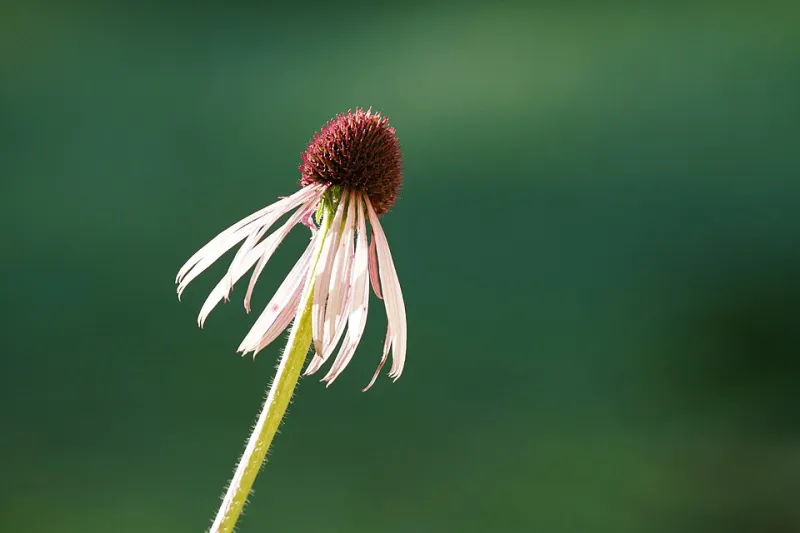
A gently terraced hillside with native coneflowers, black-eyed Susans, and ornamental grasses doesn't just look beautiful. It controls runoff, reduces erosion, and signals to any future buyer that this land has been thoughtfully managed. That signal translates directly into perceived — and actual — market value.
For steeper grades, contour berms planted with deep-rooted native shrubs like Arkansas bluestar or smooth sumac can do the heavy lifting. These plants are adapted to Ozark soils, require minimal maintenance once established, and provide stunning seasonal color that a monoculture of turfgrass simply can't match.
Practical First Steps for Fixer-Upper Buyers
If you're eyeing a neglected Ozark parcel and wondering where to start, a few principles can help frame your approach.
Assess before you clear. Walk the property in different seasons if possible. What looks like a weed thicket in August might have early spring wildflowers worth preserving. Get a feel for the land's natural drainage patterns, existing native plants, and microclimate variations before removing anything.
Prioritize removal of invasives. Bush honeysuckle and other invasive shrubs will continue to undermine any planting you do if they're not addressed first. Budget for this phase specifically — it's not glamorous, but it's foundational.
Work with the topography, not against it. The Ozarks' natural elevation changes are an asset. Designs that incorporate the existing terrain almost always look better and cost less to maintain than those that try to flatten or fight it.
Phase your investment. You don't have to do everything at once. A phased softscaping plan lets you spread costs over time while still making meaningful progress each season. Start with the areas most visible from the home or entry point — the transformation there will keep you motivated for the rest.
The Real Value Proposition
Fixer-upper Ozark properties are genuinely underpriced relative to their potential. Buyers who can look past the surface condition and understand what thoughtful softscaping can accomplish are often getting more land value per dollar than those shopping for move-in-ready acreage.
The Ozark landscape is resilient. Given half a chance and a sensible planting strategy, it wants to recover. Your job isn't to impose something on it — it's to guide it back toward something intentional and beautiful.
That's exactly what softscaping does best.