What's Buried Beneath: The Hidden Landscape Infrastructure That Makes Ozark Buyers Fall Hard
There's a moment that happens on certain property showings in the Ozarks. A buyer steps out of the car, looks around, and just... exhales. The yard feels right. The air smells different. The ground underfoot has a give to it that's hard to describe. They haven't even made it to the front door yet, and they're already mentally moving in.
What they're responding to isn't always what they think they're responding to. It's not just the pretty garden beds or the well-placed stone path. It's something deeper — literally. It's the invisible infrastructure that professional landscape designers build into a property over months and years, the kind of work that doesn't show up in listing photos but absolutely shows up in the way a place feels and functions.
If you own Ozark land and you're thinking about selling, or if you're buying and want to know what separates a truly exceptional property from one that just looks good in spring, this is the conversation worth having.
The Drainage Story Nobody Tells You
Ozark terrain is dramatic and beautiful, but it doesn't play nice with water if you haven't thought it through. The region's rocky hillsides, clay-heavy pockets, and seasonal rain patterns create drainage challenges that can quietly wreck a landscape — or quietly make one, depending on how they've been handled.
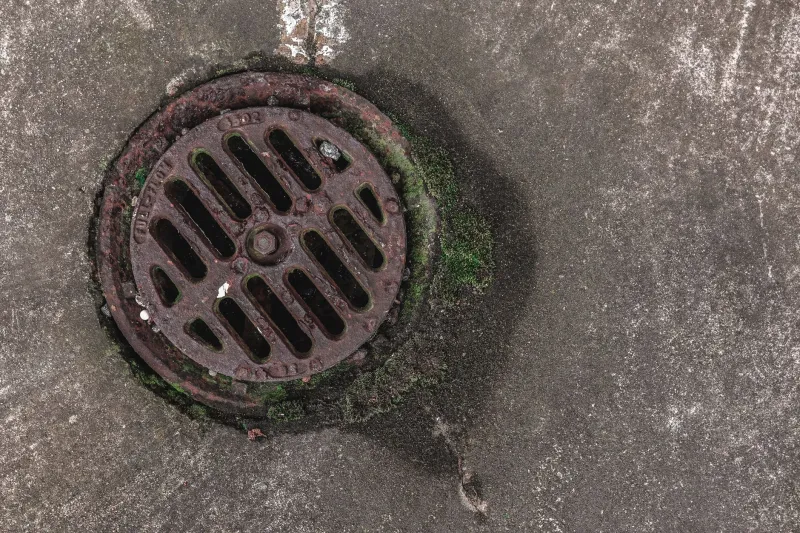
Professionally designed properties in the Ozarks often have drainage systems you'd never notice on a casual walk-through. French drains routed away from foundations. Swales that guide runoff toward rain gardens instead of letting it pool against structures. Dry creek beds that look purely decorative but are actually doing serious hydraulic work every time it rains hard.
Sophisticated buyers — the ones who've owned land before, who've dealt with erosion headaches and soggy basements and washed-out paths — recognize these systems instantly. They know what it means when water moves the right way across a property. And they know what it costs in time, money, and headaches when it doesn't.
A property with well-engineered drainage isn't just more livable. It's lower risk. That's a premium, even if it never shows up as a line item in a comparative market analysis.
Years of Soil Work You Can't See But Can Absolutely Feel
Ozark soil is a complicated subject. Depending on where you are in the region, you might be dealing with thin rocky ground over limestone, dense clay that sheds water like a tin roof, or patches of surprisingly rich bottomland. Most raw land in the Ozarks starts out somewhere between challenging and difficult when it comes to growing things well.
The properties that feel like gardens rather than battlegrounds have usually had years of intentional soil improvement behind them. Compost incorporation. Cover cropping. Mulch layers that have broken down and fed microbial life. Root structures from established native plants that have been aerating and enriching the ground season after season.
This kind of soil health is genuinely hard to replicate quickly. You can't buy your way to a thriving soil food web in a single growing season. It takes time, and the clock starts when someone makes the decision to invest in it.
When buyers walk a property with healthy, amended soil, they often don't consciously know what they're experiencing. But they feel it. Plants look robust rather than stressed. Established beds have a lushness that new plantings just don't have. The whole landscape has a settled quality that reads as maturity, even to people who couldn't tell you the difference between a mycorrhizal network and a drainage pipe.
Microclimates: The Secret Rooms of an Ozark Property
One of the more fascinating aspects of Ozark landscape design is the way skilled designers work with — and sometimes create — microclimates. The Ozarks' varied topography means that even a relatively modest piece of land can have meaningful temperature and moisture variation across different zones. A north-facing slope stays cooler and holds moisture longer. A sheltered hollow can extend the growing season on both ends. A well-placed windbreak changes what's possible on the leeward side in ways that go far beyond aesthetics.
Properties where these microclimates have been identified and designed around feel almost effortlessly productive. The right plants are in the right places, not because someone got lucky, but because someone paid attention. Fruit trees positioned to catch morning sun and avoid late frost pockets. Shade plantings that make an outdoor living area genuinely comfortable in July rather than just technically shaded.
For buyers who want to garden, grow food, or simply enjoy being outside in the Ozark summer, these designed microclimates are worth serious money. They represent years of observation and intentional placement that a new owner gets to inherit rather than figure out from scratch.
Root Structure: The Long Game Nobody Photographs
Here's something that almost never comes up in real estate conversations but absolutely should: the root infrastructure of an established landscape is one of the most valuable things a property can have.
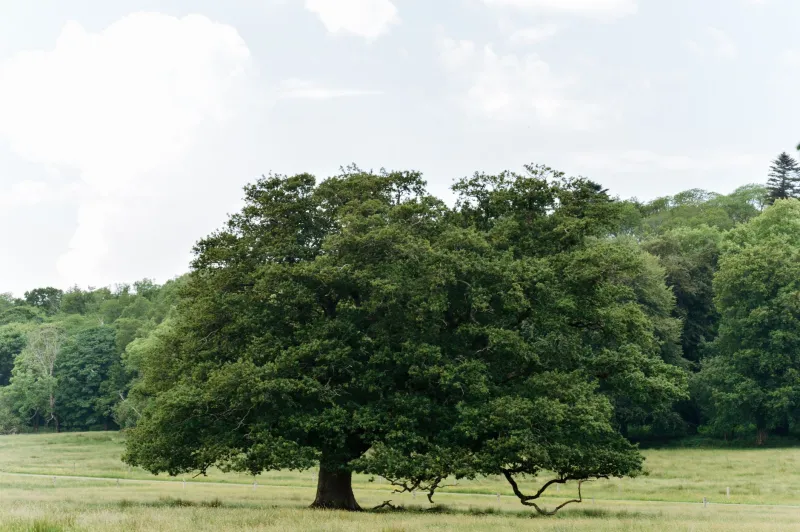
Mature native trees and shrubs — oaks, redbuds, serviceberries, native viburnums — have root systems that stabilize slopes, prevent erosion, support soil biology, and moderate the hydrological cycle on a piece of land. These aren't small benefits. They're the difference between a property that holds its ground through a heavy rain event and one that loses topsoil and plants every time the sky opens up.
Building this kind of root infrastructure takes decades if you're starting from scratch with large trees, or years of intentional planting and establishment with shrubs and understory plants. A property that already has it is offering something genuinely irreplaceable on any short timeline.
Savvy buyers who understand land know this. They're not just looking at what's above ground — they're thinking about what's below it and what it would take to get there on a bare piece of ground.
What This Means If You're Selling
If you've invested in professional landscape design and infrastructure on your Ozark property, you're probably not marketing it as aggressively as you should be. Most sellers focus on the visual — the pretty photos, the curb appeal, the seasonal color. That's all valid, but it undersells the real story.
Consider working with your landscape designer to document what's actually been done on the property. A simple writeup that explains the drainage system, the soil amendment history, the plant establishment timeline, and the microclimate considerations gives buyers who understand land a reason to pay more — and gives buyers who don't understand land a reason to trust what they're feeling when they walk around.
The invisible stuff is often the most expensive stuff to build and the slowest stuff to develop. If you've already done it, make sure buyers know it's there.
What This Means If You're Buying
Next time you're touring Ozark properties, slow down and start asking different questions. Where does the water go when it rains hard? How old are those beds? Has anyone been amending the soil? What do the established trees tell you about how this land has been managed?
The answers — or the blank stares — will tell you a lot about whether you're looking at a true asset or a good-looking project in disguise.