Dirt Before Drywall: How Native Plantings Are Quietly Building Ozark Equity From the Ground Up
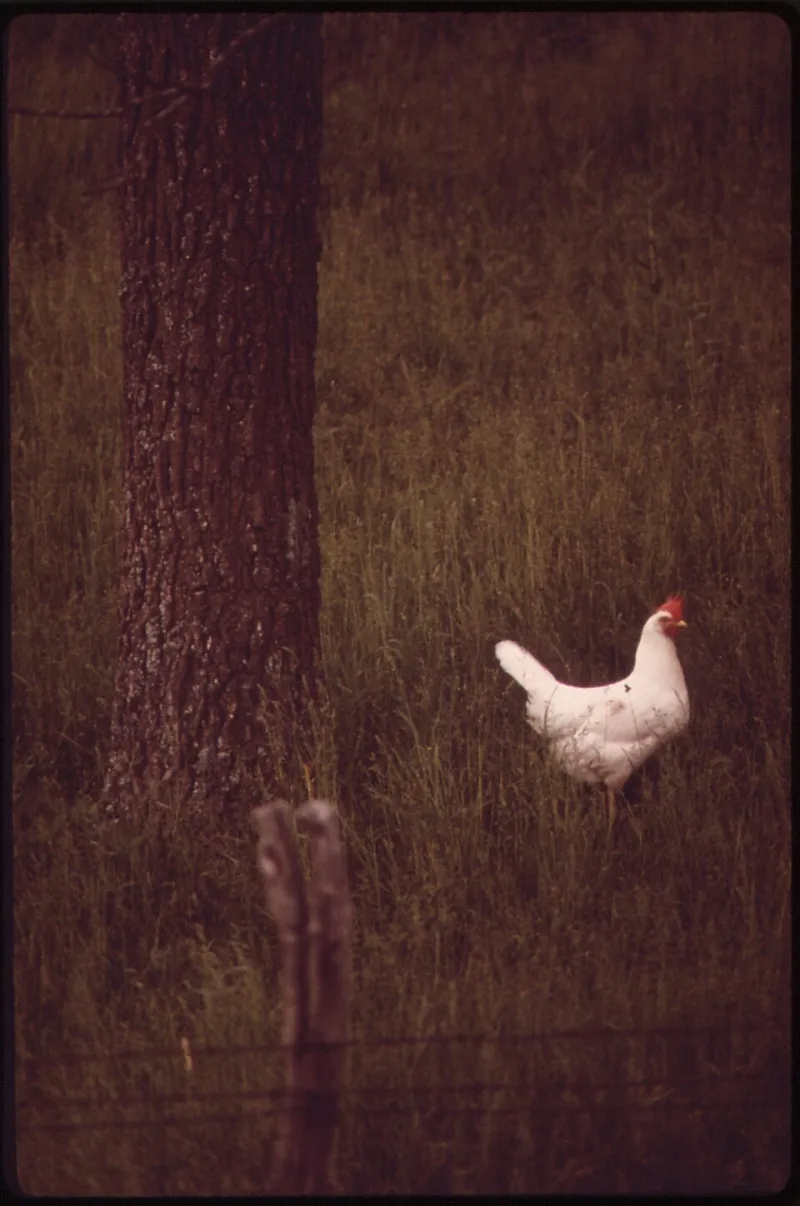
Photo: Bill Kuykendall, Public domain, via Wikimedia Commons
There's a particular kind of investor who shows up to an Ozark property auction with soil maps instead of renovation spreadsheets. While everyone else is mentally recarpeting the living room and budgeting for stainless appliances, this person is walking the tree line, eyeing the drainage swales, and mentally sketching a softscape plan that'll add a significant chunk of value before the first open house.
It sounds almost too simple. But across the Ozark region—from the rolling hills of northern Arkansas to the creek-carved terrain of southern Missouri—developers and savvy landowners are discovering that what grows on a property can matter just as much as what's built on it. Sometimes more.
The Flip Nobody's Filming
Home renovation culture has trained us to think about value in terms of the interior: fresh paint, updated bathrooms, an open-concept kitchen. And those things matter. Nobody's arguing against a well-placed island or a new HVAC system. But interior renovations are expensive, labor-intensive, and increasingly commoditized. Buyers in competitive markets have seen the same LVP flooring in a dozen houses. It doesn't wow anyone anymore.
Outdoor spaces, though? That's still wide open territory in the Ozarks.
A professionally designed softscape—native grasses, flowering perennials, layered shrub borders, rain gardens, strategically placed shade trees—creates an emotional first impression that no kitchen remodel can replicate. You drive up to the property and it already feels like somewhere worth owning. That feeling translates directly into offer prices.
Appraisers are catching on too. Landscape improvements, particularly those using regionally appropriate native species, are increasingly being factored into comparative market analyses. The numbers being floated around in real estate development circles? Somewhere in the 15–20% equity range for well-executed softscape transformations on raw or neglected Ozark acreage. That's not pocket change.
Why the Ozarks Are Especially Ripe for This Strategy
The region has a few things working in its favor that make softscaping an unusually powerful equity tool here.
First, there's the raw material. Ozark terrain is genuinely dramatic—limestone bluffs, spring-fed hollows, mature hardwood canopies, rocky outcroppings that look like they were placed by a set designer. A skilled landscape architect doesn't have to manufacture character here. They just have to reveal it. Clearing invasive species, framing existing rock formations with native plantings, directing water features toward natural drainage patterns—these are relatively affordable interventions that unlock enormous aesthetic value that was already sitting there.
Second, buyer expectations in this market are shifting fast. The wave of remote workers and lifestyle migrants who've been relocating to Ozark communities over the past several years aren't just looking for square footage. They're looking for a relationship with the land. They want to sit on a porch and watch fireflies over a native wildflower meadow. They want a property that feels intentional, not just developed.
A raw piece of ground with a spec house dropped on it doesn't scratch that itch. A property where the outdoor environment has been thoughtfully designed—where the plantings feel like they belong there, where the land tells a story—that's what this buyer pool will pay a premium for.
What a Strategic Softscape Investment Actually Looks Like
Let's get specific, because "native plantings" can mean anything from a few potted coneflowers by the front door to a full-scale ecological restoration. The equity-building version sits somewhere intentional in between.
Canopy framing is usually the first priority on Ozark properties with existing mature trees. Removing invasive understory species (looking at you, bush honeysuckle and Bradford pear volunteers) and replacing them with layered native plantings—wild azalea, serviceberry, spicebush, native ferns—instantly transforms a weedy mess into something that looks curated and cared for.
Entrance sequences do a disproportionate amount of heavy lifting. The drive or path from the road to the front door is the first story a property tells. A gravel drive edged with native grasses and flowering shrubs, maybe flanked by a couple of well-placed Eastern redbuds, costs a fraction of what a hardscape renovation would run—and creates an arrival experience that sticks in a buyer's memory.
Drainage features turned amenities are particularly powerful in the Ozarks, where water movement across a property is often a design challenge. A low-lying wet area that might otherwise be dismissed as a liability can become a native rain garden or a planted bioswale that's genuinely beautiful while also solving a real drainage problem. Buyers see thoughtful problem-solving, not a muddy patch.
Outdoor living integration ties everything together. Softscape isn't just plants in the ground—it's the living framework around patios, fire pit areas, and garden paths. When the landscaping and the hardscape feel like they were planned together (even if the hardscape is minimal), the whole property reads as intentional and finished.
The Timeline Advantage
Here's something interior renovation investors rarely have to think about: plants take time to establish, and that's actually an advantage if you're playing the long game.
A developer who acquires raw Ozark acreage, installs a well-designed native softscape in year one, and lists in year two or three is selling a property where the plantings have had time to root in, fill out, and look genuinely established. That's a completely different visual experience than fresh sod and a few nursery trees propped up with stakes. Buyers can tell the difference between a landscape that's been planted and one that's been grown.
For investors willing to hold a property for even a relatively short period, the softscape approach is a time-leveraged equity play. The land does part of the work for you while you're focused on other things.
What the Smart Money Is Doing
A handful of Ozark developers have already figured this out and aren't exactly advertising it. They're acquiring undervalued rural properties, bringing in landscape designers with regional native plant expertise, making targeted investments in softscape transformation, and selling finished properties to buyers who are genuinely wowed by what they're walking into.
The interior of the house still matters. Nobody's saying ignore the mechanicals or leave the 1970s bathroom untouched. But the outside-in approach—starting with a strong softscape framework before layering in interior updates—is producing some quietly impressive returns.
For anyone sitting on Ozark acreage right now, whether you're a developer, a homeowner thinking about an eventual sale, or someone who just bought raw land and isn't sure where to start, the outdoor environment deserves a serious seat at the investment planning table. The countertops can wait. The land is ready to go to work.